Advertisers

Why Native Advertising Should Drive Your Lead Generation Strategy

Patrick Brady

Updated On:

April 21, 2026

Most marketers running paid lead gen today already know something is off, and understanding what native advertising is helps explain why. According to industry sources, Google Ads cost per lead jumped by more than 5% from 2024 to 2025, on top of a 24% spike the year before. Search ad costs have climbed five years straight, pushing the average CPL from $66.69 to $70.11.

The bigger problem is not just cost; it is that audiences have tuned out. Think with Google found the average consumer attention span has dropped to just 47 seconds, down from 75 seconds in 2012. Interruptive ads, whether display, paid social, or search, are fighting for attention that audiences have learned to withhold automatically.

Native advertising works differently because it does not interrupt; it fits in. Content-aligned placements meet users where their attention already lives, earlier in the funnel and before any sales resistance kicks in. Native is not just another traffic source, but a full-funnel lead-generation engine that moves real prospects from awareness to conversion.

​What Is Native Advertising (And Why It Works for Lead Gen)

Native advertising is paid content that blends naturally into the editorial environment around it. Think recommended articles, sponsored in-feed posts, or branded content that reads like a regular story. Users scroll right into it without triggering the mental flag that screams "this is an ad."

Native earns its place by matching the format and tone of the content surrounding it. It reaches people who are already in a reading mindset, on sites they trust and choose to visit. Engagement happens naturally because the content feels like part of the experience, not an interruption.

Native ads differ from others in various ways:

  • Search ads target people already deep in comparison mode, reaching prospects who are actively evaluating competitors. Native intercepts buyers much earlier, when they are still exploring a problem and open to guidance.
  • Social ads push into feeds that users carefully curated for themselves, creating friction before a single word gets read. Native places your content on publisher sites where readers are already leaned in and engaged.
  • Display ads sit completely outside the content experience, hoping that attention eventually drifts their way. Native lives inside the content, earning engagement the same way good editorial naturally does.

Better timing at the top of the funnel means you are working with warmer, more receptive prospects from the start. Someone who consumed useful content and opted in arrives far better informed and more likely to convert. Native does not just drive traffic; it pre-qualifies prospects before they ever reach your lead form.

​The Problem With Traditional Lead Generation Channels

Most paid lead generation strategies today rely on the same three channels, and all three are showing real cracks. Costs are climbing, audiences are tuning out, and the clicks coming through are converting into fewer qualified prospects. A study by IPG Media Lab and Sharethrough found that native ads registered 18% higher lift in purchase intent than banner ads, a gap that gets harder to ignore as traditional channels struggle to move the pipeline.

what is native advertising

Interruptive formats are for a different attention environment, one that no longer exists. Audiences are now resistant, platforms are crowded, and the math on traditional paid lead gen is worse than ever. Marketers doubling down on the same saturated channels are paying more every quarter to fight a battle that keeps getting harder.

Rising Costs and Saturation

Paid search and social have become expensive and increasingly difficult to scale profitably. According to WordStream, CPC increased for 86% of industries on Google Ads in 2024, with an average increase of 10% across the board. WordStream More advertisers competing for the same audiences means higher bids, thinner margins, and weaker returns on every dollar spent.

Budgets keep climbing while the pool of reachable, unconverted prospects keeps shrinking. Saturation is not a future warning for most advertisers; it is the current condition they are managing.

Another WordStream study showed that Facebook Lead Ads saw a 20% increase in CPL in 2025, even as click-through rates held relatively stable across most industries. Costs are rising across all channels simultaneously, and lead quality is not improving enough to justify the additional spend.

Ad Fatigue and Banner Blindness

Audiences experienced enough interruptive advertising to develop an automatic resistance to it. According to previous Think with Google research, the average consumer attention span has dropped to just 47 seconds, down from 75 seconds in 2012, a phenomenon researchers now describe as an attention recession. Every additional ad pushed into a fatigued environment makes the next one perform worse than the last.

Banner blindness compounds the problem for anyone running display-heavy strategies. Users have learned to visually filter anything resembling a traditional ad placement before they even process what it says.

The result is wasted impressions and inflated CPMs pointed at audiences who have already switched off. Frequency without relevance does not build familiarity; it accelerates disengagement.

Low-Intent Traffic

A click is not a lead, and a lead is not a qualified prospect. According to previous WordStream benchmarks, even as conversion rates improved to 65% across industries on Google Ads in 2025, average CPL still climbed, requiring more spendto achieve the same pipeline outcome. Volume metrics look healthy on paper, while actual lead quality quietly erodes beneath the surface.

Search and display ads reach people at a moment, not a mindset. Clicking on an ad does not mean someone is ready to engage with an offer in any meaningful way.

Low-intent clicks inflate lead counts without improving sales outcomes. Chasing volume on saturated channels costs more each quarter and yields diminishing returns.

Traditional paid channels aim to capture existing demand by reaching people who are already searching, scrolling, and deciding. Native advertising works differently, meeting prospects earlier in the journey and building the intent that other channels then compete to capture.

​Why Native Advertising Drives Higher-Quality Leads

Lead quality is the metric that separates channels worth scaling from channels worth cutting. Most interruptive formats generate clicks from people who are never interested, inflating pipeline numbers without improving close rates. Native advertising changes the dynamic by putting valuable content in front of people before asking them for anything.

A different format creates a fundamentally different kind of prospect. Someone who consumed a piece of content has already demonstrated genuine interest before clicking. Pre-engagement carries real weight downstream. Leads who arrive informed and curious convert faster and require far less convincing from sales.

Content-First Engagement in Native Advertising

Native advertising leads with a story rather than a sales pitch, and audiences respond to content very differently from how they respond to ads. A well-crafted native placement gives users something genuinely useful before any brand ask ever appears. People who engage with content show up because something resonates, not because an ad interrupts their scroll. When a format earns attention rather than demanding it, the audience reaching your offer is warmer, more engaged, and far more likely to convert into a real lead.

Pre-Selling Before the Click

The click on a native ad is already several steps into the sales process, not at the beginning. By the time a user clicks through, they have read a headline, consumed a content angle, and made a conscious decision to learn more. A prospect who arrives already educated about the problem your product solves is much easier for any sales team to close. Native compresses the qualification process by doing the education work before a form is ever shown.

Trust-Based Conversions in Native Advertising

Editorial-style formats earn a level of credibility that traditional display ads simply cannot replicate. A sponsored article on a premium publisher's site carries the publication's implicit endorsement, making the brand feel more credible by association. Credibility is the deciding factor between a user who fills out a form and one who bounces without a second thought. Native advertising builds credibility systematically by placing brands in contexts audiences already associate with reliable information.

Better Lead Intent

A lead generated through native advertising has already done something to display, and search leads rarely do; they choose to engage. Opting in after consuming content signals a level of intent that a reflexive ad click cannot match. Higher intent at the top of the funnel means shorter sales cycles, better conversion rates, and more efficient spend per lead acquired. Native fills a pipeline with people who already understand the value of what you are offering.

​Native Advertising as a Full-Funnel Strategy

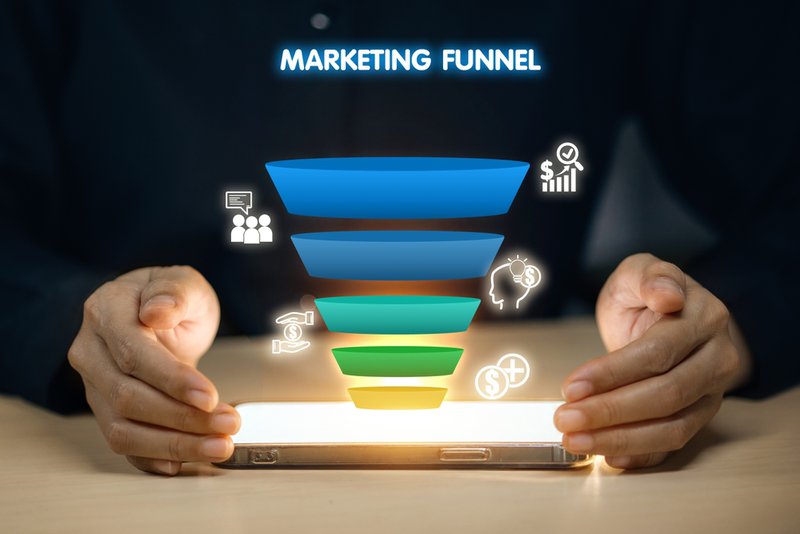
Most paid channels are built for one stage of the funnel, and forcing them to do more creates inefficiency and wasted spend. Native advertising differs because the format adapts naturally to where a prospect is in their buying journey, from the first moment of awarenessthrough to conversion. A single native strategy can warm cold audiences, nurture consideration, and close leads without handing off to a different channel at each stage.
what is native advertising

Running native across the full funnel also compounds results over time. Audiences who encounter your brand at the top are easier to convert at the bottom, because familiarity and trust have already been built through earlier content touchpoints. Few paid channels can make that claim with the same consistency as native can.

Top of Funnel

Educational and content-driven headlines meet audiences at the moment curiosity kicks in, before any purchase intent exists. Capturing attention at this stage with genuinely useful content seeds awareness and establishes the brand as a credible source worth returning to. Readers who engage with top-funnel native content are not yet ready to buy, but they are open to guidance, making them far more valuable than a cold retargeting pool.

Mid Funnel

Advertorials, comparisons, and problem-solution content move prospects from awareness into active consideration by framing your offer against the alternatives. Content at this stage does the heavy lifting of qualification, filtering out low-intent readers and surfacing the prospects most likely to convert. A well-constructed mid-funnel native piece can do more pre-selling in one read than a dozen retargeting impressions ever could.

Bottom Funnel

Lead forms, quizzes, and targeted offers turn warmed audiences into captured leads by presenting a clear next step to people who have already consumed value. Prospects arriving at bottom-funnel placements through a native sequence are pre-educated, pre-qualified, and far more ready to act than cold traffic from interruptive channels. Converting at this stage feels natural rather than forced, because the entire content journey has already done the convincing.

Native advertising connects awareness, consideration, and conversion inside a single cohesive channel rather than stitching together three separate ones. A prospect can move from discovering a problem to evaluating a solution to submitting a lead form entirely within a native content sequence. Very few paid formats can carry a buyer through the entire journey with that level of continuity and contextual relevance.

​Native vs. Traditional Paid Advertising

Comparing native advertising to traditional paid channels requires looking beyond surface-level metrics like CTR. Native tends to look weaker on click volume and more expensive upfront on a per-click basis. The numbers that actually matter sit further down the funnel, where lead quality and conversion rate tell a very different story.

On cost per click, native CPCs tend to be higher than display CPCs because placements are more premium and contextually relevant. StackAdapt notes that higher CTRs on CPM-bought native inventory drive down effective CPC over time compared to standard display.

On cost per lead, the comparison shifts meaningfully in native's favor once content pre-qualification is taken into account. According to previous WordStream benchmarks, Google Ads CPL averaged $70.11 in 2025, while native funnels built around advertorial content consistently produce warmer, cheaper-to-close leads.

On engagement time, native audiences spend far more time with content before converting than display audiences ever do. The Sharethrough research found that users engaged with native ads at nearly the same rate as editorial content.

On lead quality, the gap between native and traditional paid channels is where the real argument gets made. A lead generated after consuming educational content arrives pre-qualified, better informed, and further along in their decision than a banner click ever produces.

Native advertising will almost always show a lower CTR than search or social, and that number looks underwhelming in a top-line report. A more selective audience clicked with genuine intent rather than by accident, and those leads convert at a rate that makes the comparison look entirely different by the bottom of the funnel.

Best Practices for Native Lead Generation Campaigns in Advertising

Running native without a clear execution framework is one of the fastest ways to burn budget on traffic that never converts. Every element, from the headline to the landing page, has to work as part of a single cohesive experience.

native ads for lead generation

Getting these fundamentals right separates native campaigns that generate a qualified pipeline from ones that just generate clicks.

1. Lead With Curiosity-Driven Headlines

Clickbait headline formulas have been so overused that audiences now recognize and ignore them at a glance. A strong native headline frames a specific problem, surfaces a real tension, or promises a concrete insight the reader actually wants. Hooks that feel like editorial rather than advertising pull the right audience into the content.

Smarter hooks also pre-qualify the audience before a single click happens. Someone who clicks a headline about a pain point they recognize is already further along in their journey. Writing headlines that speak directly to a problem filters out low-intent readers and improves funnel quality from the start.

2. Focus on Problem-Solution Content

Native content that performs for lead generation starts with a problem the audience already knows they have. Framing content around a recognized pain point creates immediate relevance, and relevance keeps people reading past the first paragraph. Content that opens with the audience's problem rather than the brand's solution earns trust before asking for anything.

The solution introduced in the content should feel like a natural conclusion rather than a sudden sales pivot. Readers who arrive at a product through logical content progression are far more receptive than readers who feel misled. The problem-solution structure handles the pre-selling, so the landing page does not have to start from scratch.

3. Use Native Advertising Advertorials That Educate First

An advertorial that leads with education rather than promotion immediately changes the dynamic between brand and reader. Audiences engage far more willingly with content that teaches them something useful before introducing any commercial message. Leading with education builds enough credibility that the brand asks at the end feels earned, not forced.

Advertorials also give brands space to address objections and establish authority in ways a standard ad unit never could. A well-constructed advertorial moves the reader from problem-aware to solution-ready before they ever hit a form. Brands investing in high-quality advertorial content consistently see stronger lead quality from their native campaigns.

4. Optimize the Post-Click Experience in Native Advertising

A strong native ad leading to a misaligned landing page breaks the entire funnel at the most critical moment. The landing page has to pick up exactly where the content left off, matching the ad's tone, angle, and promise. Any disconnect between the content experience and the post-click page creates friction that kills conversion rates fast.

Alignment between native content and the landing page is about maintaining the trust in the content already built. A reader who arrives through an educational piece expects to land somewhere that naturally continues that conversation. Landing pages built specifically for native traffic consistently outperform generic pages repurposed from other paid channels.

5. Test Creatives and Angles Aggressively

Native advertising rewards marketers who treat creative testing as an ongoing process rather than a one-time launch activity. Audiences respond differently to different angles, headline framings, and thumbnail styles across every campaign. The only way to know what works is to test systematically and rotate creative before it goes stale.

Angle testing goes beyond swapping headlines; it means challenging how a problem is framed for the audience entirely. A financial services brand might find that a retirement-anxiety angle significantly outperforms a wealth-growth angle. Brands generating the most consistent native lead volume build creative testing into their standard campaign workflow from day one.

​Common Mistakes to Avoid in Native Advertising

Native advertising underperforms most often because marketers carry habits from other paid channels directly into the format. The mechanics of native are different enough that strategies built for display or social will consistently produce disappointing results.
Avoiding these five mistakes is the difference between a native program that scales and one that gets written off before it ever has a real chance.

Treating Native Like Display Advertising

Native advertising is a content-driven format, and pushing interruptive creative into it defeats the entire purpose. Brands that repurpose banner ads or hard-sell messaging into native placements see lower engagement, higher bounce rates, and weaker lead quality across every campaign. The format demands content that earns attention rather than demanding it.

Display thinking kills native performance before a single impression is served. Native creative has to match the editorial environment it lives in, not fight against it.

Overly Salesy Content

Audiences click on native placements expecting content that offers them something genuinely useful. Leading with a product pitch rather than a story or insight immediately breaks that expectation and damages trust before any conversion can happen. Content that sells too hard, too early loses the reader at exactly the moment engagement should be building.

Native works because it earns credibility by delivering value before the ask. Brands that skip the education step and rush to the offer consistently underperform on lead quality.

Weak Storytelling

A native ad lives or dies on its ability to hold attention through compelling content. Generic copy, vague problem framing, and uninspired angles produce low engagement and poor downstream conversion rates. Readers who disengage mid-content never reach the offer, making weak storytelling one of the most expensive mistakes in native lead generation.

Strong storytelling creates a content experience that moves the reader from curiosity to conviction. Brands that treat content quality as a core performance variable consistently outperform those that treat it as an afterthought.

Misaligned Landing Pages

Sending native traffic to a generic landing page wastes every dollar spent building audience trust through content. The post-click experience has to continue the conversation the ad started, matching tone, angle, and message without any jarring shift in register. Readers who feel like they landed somewhere different from where they expected to go bounce immediately and rarely return.

Native traffic requires landing pages built specifically for the content journey that preceded the click. Generic pages designed for search or social traffic will consistently underperform when native audiences arrive on them.

Not Tracking Full Funnel Performance

Measuring native campaigns solely by CTR and top-level traffic produces a dangerously incomplete picture of performance. Native's real value shows up in lead quality, sales cycle length, and downstream conversion rates, metrics that only appear further down the funnel. Brands that optimize only for clicks end up cutting campaigns that were actually generating their best leads.

Full funnel tracking connects native content performance to actual pipeline and revenue outcomes. Without that visibility, budget decisions get made on the wrong data every single time.

​When Native Advertising Makes the Most Sense

Native advertising is not a one-size-fits-all solution, and knowing when to deploy it makes all the difference. Certain business scenarios are uniquely suited to a format that educates before it sells, builds trust before it converts, and reaches audiences before they are actively searching.

native advertising

These four scenarios represent the strongest use cases for native as the primary lead-generation channel.

High-Ticket Offers

High-ticket products and services require a level of trust that interruptive ad formats simply cannot build on their own. A prospect considering a $10,000 software contract or a premium consulting engagement needs to understand the value proposition before any sales conversation begins.

Native content creates the space to make that case properly, without the pressure of a hard-sell format working against the message. Educating a high-value prospect through content before introducing an offer dramatically shortens the sales cycle and improves close rates on the back end.

Complex Products and Services

Products and technology that require explanation before they can be evaluated are a natural fit for native advertising. Display and search ads give brands a few seconds and a handful of words to make an impression, which is rarely enough for anything technically sophisticated.

Native placements give brands the room to walk a prospect through a problem, introduce a solution, and demonstrate expertise in a single content experience. Audiences who arrive at a complex product already understanding what it does and why it matters are significantly easier for sales teams to convert.

Education-Heavy Funnels

Some buying journeys require multiple educational touchpoints before a prospect is ready to engage in a sales process. Native advertising is built for exactly that scenario, delivering content at each stage of the funnel that moves the reader incrementally closer to a decision.

Brands selling in categories where buyers need to understand a new concept, change an existing behavior, or overcome significant skepticism benefit most from native's content-first approach. The format naturally supports the longer, more deliberate decision-making process that education-heavy funnels demand.

Scaling Beyond Saturated Channels

Every paid channel eventually hits a ceiling where incremental spend produces diminishing returns. Brands that have exhausted the available audience on Google and Meta need a channel to reach new prospects beyond those walled gardens.

Native advertising opens access to premium publisher audiences that search and social simply do not reach, giving brands a meaningful source of incremental volume. Scaling into native is one of the most effective ways to grow lead-generation capacity without competing against yourself on channels already saturated.

​How to Get Started With Native Advertising for Lead Generation

Getting into native advertising does not require a massive budget or a complete overhaul of an existing paid media strategy. Most brands can launch a functional native lead-generation program by following a clear sequence of steps that build on one another logically. The five steps below give any team a repeatable framework for launching native campaigns that generate a real pipeline from day one.

1. Identify Your Audience and Their Pain Points

Every high-performing native campaign starts with a precise understanding of who the content is for. Vague audience definitions produce vague content angles, and vague content angles lead to low engagement and poor lead quality across all placements. Before a single word of content gets written, the target audience and their most pressing pain points need to be mapped out in specific, actionable terms. The sharper the audience definition at this stage, the stronger every downstream decision about content, creative, and targeting becomes.

2. Create a Compelling Content Angle

A content angle is the specific lens through which a pain point gets framed for the target audience. Generic topics produce generic content, and generic content gets ignored in a native feed where editorial quality sets the standard. The best content angles take a familiar problem and reframe it in a way that feels fresh, specific, and immediately relevant to the reader. Finding that angle before building any content is what separates native campaigns that earn attention from ones that disappear into the feed.

3. Build Your Advertorial and Landing Page

The advertorial and landing page need to be built as a single connected experience, not two separate assets. Content that educates the reader and a landing page that continues that conversation form the core conversion engine of any native lead-generation campaign. Both assets should share the same tone, angle, and message so the reader never feels like they have crossed into a different brand experience. A misaligned landing page wastes every dollar spent getting someone to click in the first place.

4. Launch on Native Platforms

Choosing the right native platform determines the quality and scale of the audience the campaign reaches. Premium publisher networks deliver contextually relevant placements on high-trust editorial environments, which directly support the credibility native content is designed to build. Starting with a focused budget on one or two platforms before expanding allows teams to establish baseline performance data without spreading spend too thin. A controlled launch also makes it easier to isolate what is working before scaling investment across additional placements.

5. Optimize Based on Lead Quality, Not Just Clicks

Click volume is the least useful metric for evaluating native lead generation performance over time. The metrics that actually matter are lead quality, sales cycle length, and downstream conversion rate, all of which require full funnel tracking to measure accurately. Campaigns that optimize toward clicks will chase volume at the expense of the qualified prospects that native is uniquely positioned to deliver. Shifting optimization decisions toward lead quality is what turns a native program from a traffic experiment into a scalable revenue channel.

​Start Generating Better Leads With Native Advertising Today

Native advertising gives brands a way to reach prospects earlier, build trust faster, and generate leads that actually convert. RevContent connects advertisers to hundreds of millions of engaged readers across the web's most trusted publisher sites. Getting started with a performance-driven platform means every dollar works harder than it would on a saturated channel.

The brands winning on lead quality in 2026 are diversifying into formats that create demand rather than chase it. RevContent gives advertisers the targeting tools, premium placements, and dedicated support needed to scale native lead generation effectively. Connect with us at RevContent today and start turning content into a qualified pipeline.

Let's Get Connected

Have a question or need support? Our team is here to assist you.
Reach out, and we'll get back to you as soon as possible.

Get in Touch

Why Native Advertising Should Drive Your Lead Generation Strategy

Most marketers running paid lead gen today already know something is off, and understanding what native advertising is helps explain why. According to industry sources, Google Ads cost per lead jumped by more than 5% from 2024 to 2025, on top of a 24% spike the year before. Search ad costs have climbed five years straight, pushing the average CPL from $66.69 to $70.11.

The bigger problem is not just cost; it is that audiences have tuned out. Think with Google found the average consumer attention span has dropped to just 47 seconds, down from 75 seconds in 2012. Interruptive ads, whether display, paid social, or search, are fighting for attention that audiences have learned to withhold automatically.

Native advertising works differently because it does not interrupt; it fits in. Content-aligned placements meet users where their attention already lives, earlier in the funnel and before any sales resistance kicks in. Native is not just another traffic source, but a full-funnel lead-generation engine that moves real prospects from awareness to conversion.

​What Is Native Advertising (And Why It Works for Lead Gen)

Native advertising is paid content that blends naturally into the editorial environment around it. Think recommended articles, sponsored in-feed posts, or branded content that reads like a regular story. Users scroll right into it without triggering the mental flag that screams "this is an ad."

Native earns its place by matching the format and tone of the content surrounding it. It reaches people who are already in a reading mindset, on sites they trust and choose to visit. Engagement happens naturally because the content feels like part of the experience, not an interruption.

Native ads differ from others in various ways:

  • Search ads target people already deep in comparison mode, reaching prospects who are actively evaluating competitors. Native intercepts buyers much earlier, when they are still exploring a problem and open to guidance.
  • Social ads push into feeds that users carefully curated for themselves, creating friction before a single word gets read. Native places your content on publisher sites where readers are already leaned in and engaged.
  • Display ads sit completely outside the content experience, hoping that attention eventually drifts their way. Native lives inside the content, earning engagement the same way good editorial naturally does.

Better timing at the top of the funnel means you are working with warmer, more receptive prospects from the start. Someone who consumed useful content and opted in arrives far better informed and more likely to convert. Native does not just drive traffic; it pre-qualifies prospects before they ever reach your lead form.

​The Problem With Traditional Lead Generation Channels

Most paid lead generation strategies today rely on the same three channels, and all three are showing real cracks. Costs are climbing, audiences are tuning out, and the clicks coming through are converting into fewer qualified prospects. A study by IPG Media Lab and Sharethrough found that native ads registered 18% higher lift in purchase intent than banner ads, a gap that gets harder to ignore as traditional channels struggle to move the pipeline.

what is native advertising

Interruptive formats are for a different attention environment, one that no longer exists. Audiences are now resistant, platforms are crowded, and the math on traditional paid lead gen is worse than ever. Marketers doubling down on the same saturated channels are paying more every quarter to fight a battle that keeps getting harder.

Rising Costs and Saturation

Paid search and social have become expensive and increasingly difficult to scale profitably. According to WordStream, CPC increased for 86% of industries on Google Ads in 2024, with an average increase of 10% across the board. WordStream More advertisers competing for the same audiences means higher bids, thinner margins, and weaker returns on every dollar spent.

Budgets keep climbing while the pool of reachable, unconverted prospects keeps shrinking. Saturation is not a future warning for most advertisers; it is the current condition they are managing.

Another WordStream study showed that Facebook Lead Ads saw a 20% increase in CPL in 2025, even as click-through rates held relatively stable across most industries. Costs are rising across all channels simultaneously, and lead quality is not improving enough to justify the additional spend.

Ad Fatigue and Banner Blindness

Audiences experienced enough interruptive advertising to develop an automatic resistance to it. According to previous Think with Google research, the average consumer attention span has dropped to just 47 seconds, down from 75 seconds in 2012, a phenomenon researchers now describe as an attention recession. Every additional ad pushed into a fatigued environment makes the next one perform worse than the last.

Banner blindness compounds the problem for anyone running display-heavy strategies. Users have learned to visually filter anything resembling a traditional ad placement before they even process what it says.

The result is wasted impressions and inflated CPMs pointed at audiences who have already switched off. Frequency without relevance does not build familiarity; it accelerates disengagement.

Low-Intent Traffic

A click is not a lead, and a lead is not a qualified prospect. According to previous WordStream benchmarks, even as conversion rates improved to 65% across industries on Google Ads in 2025, average CPL still climbed, requiring more spendto achieve the same pipeline outcome. Volume metrics look healthy on paper, while actual lead quality quietly erodes beneath the surface.

Search and display ads reach people at a moment, not a mindset. Clicking on an ad does not mean someone is ready to engage with an offer in any meaningful way.

Low-intent clicks inflate lead counts without improving sales outcomes. Chasing volume on saturated channels costs more each quarter and yields diminishing returns.

Traditional paid channels aim to capture existing demand by reaching people who are already searching, scrolling, and deciding. Native advertising works differently, meeting prospects earlier in the journey and building the intent that other channels then compete to capture.

​Why Native Advertising Drives Higher-Quality Leads

Lead quality is the metric that separates channels worth scaling from channels worth cutting. Most interruptive formats generate clicks from people who are never interested, inflating pipeline numbers without improving close rates. Native advertising changes the dynamic by putting valuable content in front of people before asking them for anything.

A different format creates a fundamentally different kind of prospect. Someone who consumed a piece of content has already demonstrated genuine interest before clicking. Pre-engagement carries real weight downstream. Leads who arrive informed and curious convert faster and require far less convincing from sales.

Content-First Engagement in Native Advertising

Native advertising leads with a story rather than a sales pitch, and audiences respond to content very differently from how they respond to ads. A well-crafted native placement gives users something genuinely useful before any brand ask ever appears. People who engage with content show up because something resonates, not because an ad interrupts their scroll. When a format earns attention rather than demanding it, the audience reaching your offer is warmer, more engaged, and far more likely to convert into a real lead.

Pre-Selling Before the Click

The click on a native ad is already several steps into the sales process, not at the beginning. By the time a user clicks through, they have read a headline, consumed a content angle, and made a conscious decision to learn more. A prospect who arrives already educated about the problem your product solves is much easier for any sales team to close. Native compresses the qualification process by doing the education work before a form is ever shown.

Trust-Based Conversions in Native Advertising

Editorial-style formats earn a level of credibility that traditional display ads simply cannot replicate. A sponsored article on a premium publisher's site carries the publication's implicit endorsement, making the brand feel more credible by association. Credibility is the deciding factor between a user who fills out a form and one who bounces without a second thought. Native advertising builds credibility systematically by placing brands in contexts audiences already associate with reliable information.

Better Lead Intent

A lead generated through native advertising has already done something to display, and search leads rarely do; they choose to engage. Opting in after consuming content signals a level of intent that a reflexive ad click cannot match. Higher intent at the top of the funnel means shorter sales cycles, better conversion rates, and more efficient spend per lead acquired. Native fills a pipeline with people who already understand the value of what you are offering.

​Native Advertising as a Full-Funnel Strategy

Most paid channels are built for one stage of the funnel, and forcing them to do more creates inefficiency and wasted spend. Native advertising differs because the format adapts naturally to where a prospect is in their buying journey, from the first moment of awarenessthrough to conversion. A single native strategy can warm cold audiences, nurture consideration, and close leads without handing off to a different channel at each stage.

what is native advertising

Running native across the full funnel also compounds results over time. Audiences who encounter your brand at the top are easier to convert at the bottom, because familiarity and trust have already been built through earlier content touchpoints. Few paid channels can make that claim with the same consistency as native can.

Top of Funnel

Educational and content-driven headlines meet audiences at the moment curiosity kicks in, before any purchase intent exists. Capturing attention at this stage with genuinely useful content seeds awareness and establishes the brand as a credible source worth returning to. Readers who engage with top-funnel native content are not yet ready to buy, but they are open to guidance, making them far more valuable than a cold retargeting pool.

Mid Funnel

Advertorials, comparisons, and problem-solution content move prospects from awareness into active consideration by framing your offer against the alternatives. Content at this stage does the heavy lifting of qualification, filtering out low-intent readers and surfacing the prospects most likely to convert. A well-constructed mid-funnel native piece can do more pre-selling in one read than a dozen retargeting impressions ever could.

Bottom Funnel

Lead forms, quizzes, and targeted offers turn warmed audiences into captured leads by presenting a clear next step to people who have already consumed value. Prospects arriving at bottom-funnel placements through a native sequence are pre-educated, pre-qualified, and far more ready to act than cold traffic from interruptive channels. Converting at this stage feels natural rather than forced, because the entire content journey has already done the convincing.

Native advertising connects awareness, consideration, and conversion inside a single cohesive channel rather than stitching together three separate ones. A prospect can move from discovering a problem to evaluating a solution to submitting a lead form entirely within a native content sequence. Very few paid formats can carry a buyer through the entire journey with that level of continuity and contextual relevance.

​Native vs. Traditional Paid Advertising

Comparing native advertising to traditional paid channels requires looking beyond surface-level metrics like CTR. Native tends to look weaker on click volume and more expensive upfront on a per-click basis. The numbers that actually matter sit further down the funnel, where lead quality and conversion rate tell a very different story.

On cost per click, native CPCs tend to be higher than display CPCs because placements are more premium and contextually relevant. StackAdapt notes that higher CTRs on CPM-bought native inventory drive down effective CPC over time compared to standard display.

On cost per lead, the comparison shifts meaningfully in native's favor once content pre-qualification is taken into account. According to previous WordStream benchmarks, Google Ads CPL averaged $70.11 in 2025, while native funnels built around advertorial content consistently produce warmer, cheaper-to-close leads.

On engagement time, native audiences spend far more time with content before converting than display audiences ever do. The Sharethrough research found that users engaged with native ads at nearly the same rate as editorial content.

On lead quality, the gap between native and traditional paid channels is where the real argument gets made. A lead generated after consuming educational content arrives pre-qualified, better informed, and further along in their decision than a banner click ever produces.

Native advertising will almost always show a lower CTR than search or social, and that number looks underwhelming in a top-line report. A more selective audience clicked with genuine intent rather than by accident, and those leads convert at a rate that makes the comparison look entirely different by the bottom of the funnel.

Best Practices for Native Lead Generation Campaigns in Advertising

Running native without a clear execution framework is one of the fastest ways to burn budget on traffic that never converts. Every element, from the headline to the landing page, has to work as part of a single cohesive experience.

native ads for lead generation

Getting these fundamentals right separates native campaigns that generate a qualified pipeline from ones that just generate clicks.

1. Lead With Curiosity-Driven Headlines

Clickbait headline formulas have been so overused that audiences now recognize and ignore them at a glance. A strong native headline frames a specific problem, surfaces a real tension, or promises a concrete insight the reader actually wants. Hooks that feel like editorial rather than advertising pull the right audience into the content.

Smarter hooks also pre-qualify the audience before a single click happens. Someone who clicks a headline about a pain point they recognize is already further along in their journey. Writing headlines that speak directly to a problem filters out low-intent readers and improves funnel quality from the start.

2. Focus on Problem-Solution Content

Native content that performs for lead generation starts with a problem the audience already knows they have. Framing content around a recognized pain point creates immediate relevance, and relevance keeps people reading past the first paragraph. Content that opens with the audience's problem rather than the brand's solution earns trust before asking for anything.

The solution introduced in the content should feel like a natural conclusion rather than a sudden sales pivot. Readers who arrive at a product through logical content progression are far more receptive than readers who feel misled. The problem-solution structure handles the pre-selling, so the landing page does not have to start from scratch.

3. Use Native Advertising Advertorials That Educate First

An advertorial that leads with education rather than promotion immediately changes the dynamic between brand and reader. Audiences engage far more willingly with content that teaches them something useful before introducing any commercial message. Leading with education builds enough credibility that the brand asks at the end feels earned, not forced.

Advertorials also give brands space to address objections and establish authority in ways a standard ad unit never could. A well-constructed advertorial moves the reader from problem-aware to solution-ready before they ever hit a form. Brands investing in high-quality advertorial content consistently see stronger lead quality from their native campaigns.

4. Optimize the Post-Click Experience in Native Advertising

A strong native ad leading to a misaligned landing page breaks the entire funnel at the most critical moment. The landing page has to pick up exactly where the content left off, matching the ad's tone, angle, and promise. Any disconnect between the content experience and the post-click page creates friction that kills conversion rates fast.

Alignment between native content and the landing page is about maintaining the trust in the content already built. A reader who arrives through an educational piece expects to land somewhere that naturally continues that conversation. Landing pages built specifically for native traffic consistently outperform generic pages repurposed from other paid channels.

5. Test Creatives and Angles Aggressively

Native advertising rewards marketers who treat creative testing as an ongoing process rather than a one-time launch activity. Audiences respond differently to different angles, headline framings, and thumbnail styles across every campaign. The only way to know what works is to test systematically and rotate creative before it goes stale.

Angle testing goes beyond swapping headlines; it means challenging how a problem is framed for the audience entirely. A financial services brand might find that a retirement-anxiety angle significantly outperforms a wealth-growth angle. Brands generating the most consistent native lead volume build creative testing into their standard campaign workflow from day one.

​Common Mistakes to Avoid in Native Advertising

Native advertising underperforms most often because marketers carry habits from other paid channels directly into the format. The mechanics of native are different enough that strategies built for display or social will consistently produce disappointing results.

Avoiding these five mistakes is the difference between a native program that scales and one that gets written off before it ever has a real chance.

Treating Native Like Display Advertising

Native advertising is a content-driven format, and pushing interruptive creative into it defeats the entire purpose. Brands that repurpose banner ads or hard-sell messaging into native placements see lower engagement, higher bounce rates, and weaker lead quality across every campaign. The format demands content that earns attention rather than demanding it.

Display thinking kills native performance before a single impression is served. Native creative has to match the editorial environment it lives in, not fight against it.

Overly Salesy Content

Audiences click on native placements expecting content that offers them something genuinely useful. Leading with a product pitch rather than a story or insight immediately breaks that expectation and damages trust before any conversion can happen. Content that sells too hard, too early loses the reader at exactly the moment engagement should be building.

Native works because it earns credibility by delivering value before the ask. Brands that skip the education step and rush to the offer consistently underperform on lead quality.

Weak Storytelling

A native ad lives or dies on its ability to hold attention through compelling content. Generic copy, vague problem framing, and uninspired angles produce low engagement and poor downstream conversion rates. Readers who disengage mid-content never reach the offer, making weak storytelling one of the most expensive mistakes in native lead generation.

Strong storytelling creates a content experience that moves the reader from curiosity to conviction. Brands that treat content quality as a core performance variable consistently outperform those that treat it as an afterthought.

Misaligned Landing Pages

Sending native traffic to a generic landing page wastes every dollar spent building audience trust through content. The post-click experience has to continue the conversation the ad started, matching tone, angle, and message without any jarring shift in register. Readers who feel like they landed somewhere different from where they expected to go bounce immediately and rarely return.

Native traffic requires landing pages built specifically for the content journey that preceded the click. Generic pages designed for search or social traffic will consistently underperform when native audiences arrive on them.

Not Tracking Full Funnel Performance

Measuring native campaigns solely by CTR and top-level traffic produces a dangerously incomplete picture of performance. Native's real value shows up in lead quality, sales cycle length, and downstream conversion rates, metrics that only appear further down the funnel. Brands that optimize only for clicks end up cutting campaigns that were actually generating their best leads.

Full funnel tracking connects native content performance to actual pipeline and revenue outcomes. Without that visibility, budget decisions get made on the wrong data every single time.

​When Native Advertising Makes the Most Sense

Native advertising is not a one-size-fits-all solution, and knowing when to deploy it makes all the difference. Certain business scenarios are uniquely suited to a format that educates before it sells, builds trust before it converts, and reaches audiences before they are actively searching.

native advertising

These four scenarios represent the strongest use cases for native as the primary lead-generation channel.

High-Ticket Offers

High-ticket products and services require a level of trust that interruptive ad formats simply cannot build on their own. A prospect considering a $10,000 software contract or a premium consulting engagement needs to understand the value proposition before any sales conversation begins.

Native content creates the space to make that case properly, without the pressure of a hard-sell format working against the message. Educating a high-value prospect through content before introducing an offer dramatically shortens the sales cycle and improves close rates on the back end.

Complex Products and Services

Products and technology that require explanation before they can be evaluated are a natural fit for native advertising. Display and search ads give brands a few seconds and a handful of words to make an impression, which is rarely enough for anything technically sophisticated.

Native placements give brands the room to walk a prospect through a problem, introduce a solution, and demonstrate expertise in a single content experience. Audiences who arrive at a complex product already understanding what it does and why it matters are significantly easier for sales teams to convert.

Education-Heavy Funnels

Some buying journeys require multiple educational touchpoints before a prospect is ready to engage in a sales process. Native advertising is built for exactly that scenario, delivering content at each stage of the funnel that moves the reader incrementally closer to a decision.

Brands selling in categories where buyers need to understand a new concept, change an existing behavior, or overcome significant skepticism benefit most from native's content-first approach. The format naturally supports the longer, more deliberate decision-making process that education-heavy funnels demand.

Scaling Beyond Saturated Channels

Every paid channel eventually hits a ceiling where incremental spend produces diminishing returns. Brands that have exhausted the available audience on Google and Meta need a channel to reach new prospects beyond those walled gardens.

Native advertising opens access to premium publisher audiences that search and social simply do not reach, giving brands a meaningful source of incremental volume. Scaling into native is one of the most effective ways to grow lead-generation capacity without competing against yourself on channels already saturated.

​How to Get Started With Native Advertising for Lead Generation

Getting into native advertising does not require a massive budget or a complete overhaul of an existing paid media strategy. Most brands can launch a functional native lead-generation program by following a clear sequence of steps that build on one another logically. The five steps below give any team a repeatable framework for launching native campaigns that generate a real pipeline from day one.

1. Identify Your Audience and Their Pain Points

Every high-performing native campaign starts with a precise understanding of who the content is for. Vague audience definitions produce vague content angles, and vague content angles lead to low engagement and poor lead quality across all placements. Before a single word of content gets written, the target audience and their most pressing pain points need to be mapped out in specific, actionable terms. The sharper the audience definition at this stage, the stronger every downstream decision about content, creative, and targeting becomes.

2. Create a Compelling Content Angle

A content angle is the specific lens through which a pain point gets framed for the target audience. Generic topics produce generic content, and generic content gets ignored in a native feed where editorial quality sets the standard. The best content angles take a familiar problem and reframe it in a way that feels fresh, specific, and immediately relevant to the reader. Finding that angle before building any content is what separates native campaigns that earn attention from ones that disappear into the feed.

3. Build Your Advertorial and Landing Page

The advertorial and landing page need to be built as a single connected experience, not two separate assets. Content that educates the reader and a landing page that continues that conversation form the core conversion engine of any native lead-generation campaign. Both assets should share the same tone, angle, and message so the reader never feels like they have crossed into a different brand experience. A misaligned landing page wastes every dollar spent getting someone to click in the first place.

4. Launch on Native Platforms

Choosing the right native platform determines the quality and scale of the audience the campaign reaches. Premium publisher networks deliver contextually relevant placements on high-trust editorial environments, which directly support the credibility native content is designed to build. Starting with a focused budget on one or two platforms before expanding allows teams to establish baseline performance data without spreading spend too thin. A controlled launch also makes it easier to isolate what is working before scaling investment across additional placements.

5. Optimize Based on Lead Quality, Not Just Clicks

Click volume is the least useful metric for evaluating native lead generation performance over time. The metrics that actually matter are lead quality, sales cycle length, and downstream conversion rate, all of which require full funnel tracking to measure accurately. Campaigns that optimize toward clicks will chase volume at the expense of the qualified prospects that native is uniquely positioned to deliver. Shifting optimization decisions toward lead quality is what turns a native program from a traffic experiment into a scalable revenue channel.

​Start Generating Better Leads With Native Advertising Today

Native advertising gives brands a way to reach prospects earlier, build trust faster, and generate leads that actually convert. RevContent connects advertisers to hundreds of millions of engaged readers across the web's most trusted publisher sites. Getting started with a performance-driven platform means every dollar works harder than it would on a saturated channel.

The brands winning on lead quality in 2026 are diversifying into formats that create demand rather than chase it. RevContent gives advertisers the targeting tools, premium placements, and dedicated support needed to scale native lead generation effectively. Connect with us at RevContent today and start turning content into a qualified pipeline.

LAUNCH YOUR FIRST REVCONTENT CAMPAIGN TODAY
Start Now

LAUNCH
YOUR CAMPAIGN

For Advertisers

LET'S
TALK
REVENUE

For Publishers